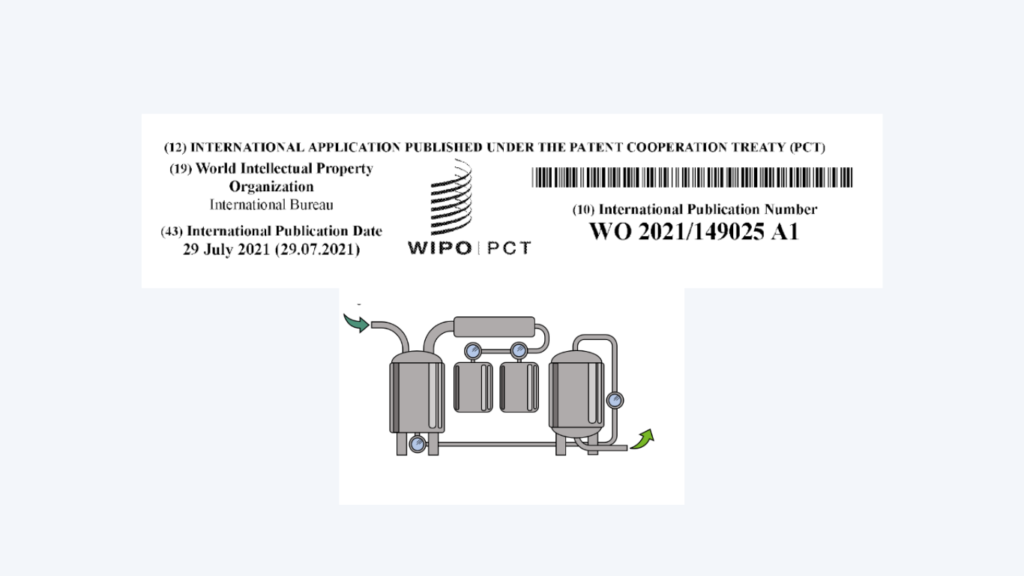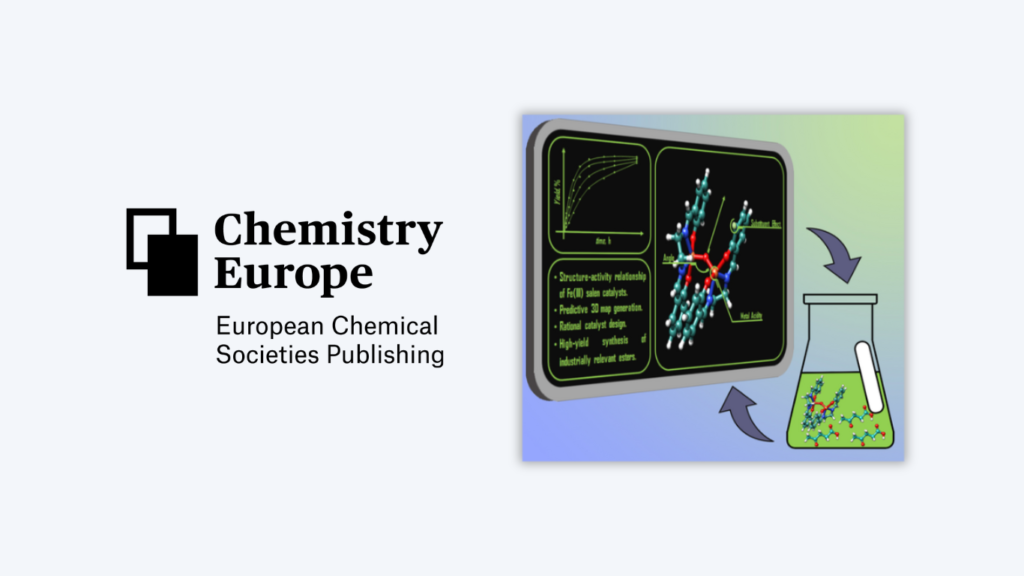
This patent protects the cost-effective and sustainable
method developed by
Isuschem to prepare a class of innovative and eco-friendly solvents through the use of recyclable iron(III) ion catalysts.
Category Archives: Non categorizzato
Our commitment to proposing eco-friendly chemical compounds, alternatives to those currently, in use also translates into identifying new, more convenient and sustainable methods of preparation, such as the one described in this article for a class of innovative solvents.
Lithium batteries represent the main energy storage devices in use today. However, some of their components presented environmental issues; they are toxic and flammable. These articles demonstrate that their replacement is possible using renewable and low-impact compounds.
In this study we report for the first time the application of an emerging bio-based solvent derived from lactic acid, namely 5-methyl-1,3-dioxolan-4-one (LA-H,H), as an electrolyte component for lithium-ion batteries (LIBs). Electrolyte formulations consisting of this new bio-solvent and immide-based conducting salts (i.e., lithium bis(trifluoromethanesulfonyl)immide, LiTFSI, and lithium bis(fluorosulfonyl)immide, LiFSI) together with the additive vinylene carbonate (VC) were prepared and thoroughly evaluated.
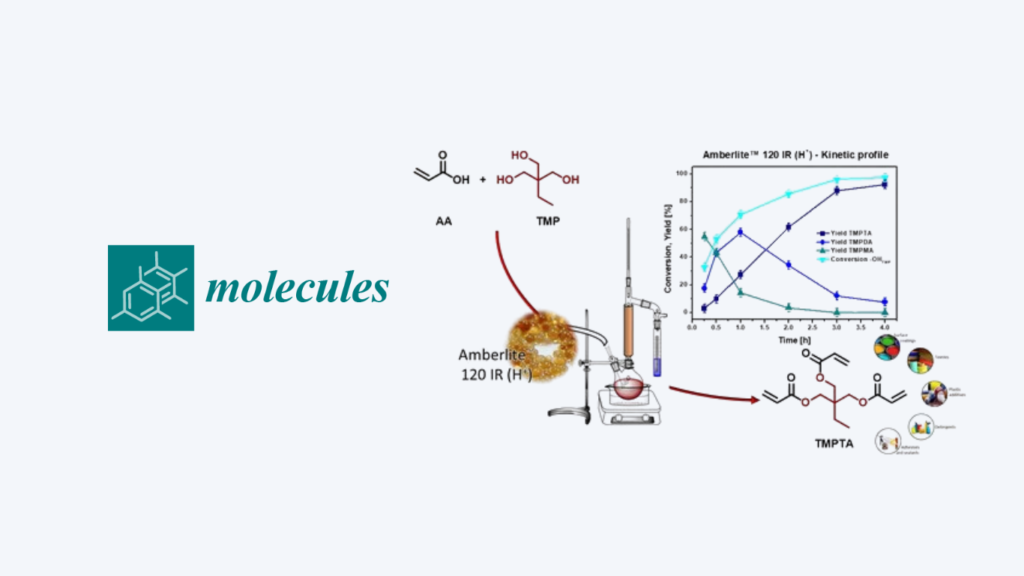
Acrylic acid esters resulting from its reaction with polyalcohols have great relevance in many application areas, such as in the formulation of plastics, adhesives and paints. Their preparation is laborious due to the chemical properties of acrylic acid, which tends to spontaneously polymerize resulting in undesirable products. This paper describes the preparation in high yields of an ester by a convenient catalytic procedure that allows solvent exclusion and catalyst recycling.
Glycerol is a biodegradable, nontoxic, nonvolatile, and water-soluble liquid, qualities that make it valuable in various applications. It is currently obtained as a by-product of biodiesel production in quantities of millions of tons per year. Therefore, to make biodiesel production sustainable, its full potential must be exploited. This review describes its fruitful use as a solvent of relevant synthetic importance.
Solvents are indispensable components of chemical manufacturing. Traditional ones are derived from depleting fossil sources and are often flammable and harmful. These articles describe green solvents derived from waste cellulose, and their application in chemical reactions and modern energy storage devices, such as batteries and supercapacitors.
This patent was the launching pad for Isuschem to start industrial production: it claims the green invention to convert fractions of waste vegetable oils into ingredients for many applications. The methodology produces no by-products, has simple processing, and allows recycling of the zinc-based catalyst.
Used frying oils are not a waste, but an important source of raw materials. This paper describes the invention of a green catalytic method to prepare useful compounds for obtaining biodegradable plastics and innovative solvents from frying oils.
Important raw materials are obtained from waste pulp from the wood and paper industry. These include levulinic acid, from the processing of which we obtain fuel additives, plasticizers and cosmetic ingredients. These articles describe sustainable methods for their preparation by convenient iron(III)-based catalysts.
- 1
- 2